TL;DR
- Detecting fake tickets means checking visual security features, validating barcodes/QRs, and confirming seller and order records.
- Do a quick 6-step checklist before you buy: confirm seller, compare ticket details, check barcodes, inspect print quality, verify order emails, and use venue or official resale verification.
- If anything feels off—price far below market, pressure to pay via unusual methods, or missing order numbers—walk away or contact the box office.
What you need to know
Detecting fake tickets protects your time and money and keeps venues running smoothly. Whether you buy from a resale site, social media, or a friend, the process comes down to a few repeatable checks you can do in minutes.
Start by understanding two key concepts: physical security features and digital validation. Physical security features include holograms, microprint, perforations, and UV ink. Digital validation covers barcodes or QR codes, seller order numbers, and entries on official ticketing systems. You should treat both types of checks as complementary—one catches print-forgery, while the other helps you differentiate between ticket scams and legitimate offers by identifying duplicated or canceled digital codes.
Here’s a quick checklist you can memorize and run through in under five minutes:
- Confirm the seller identity and payment method.
- Match ticket details to the official listing (date, time, section, row).
- Scan or inspect the barcode/QR for obvious tampering.
- Examine print quality, fonts, and perforation lines.
- Verify the order number and buyer emails from the original seller.
- Cross-check with the venue or official resale verification tool.
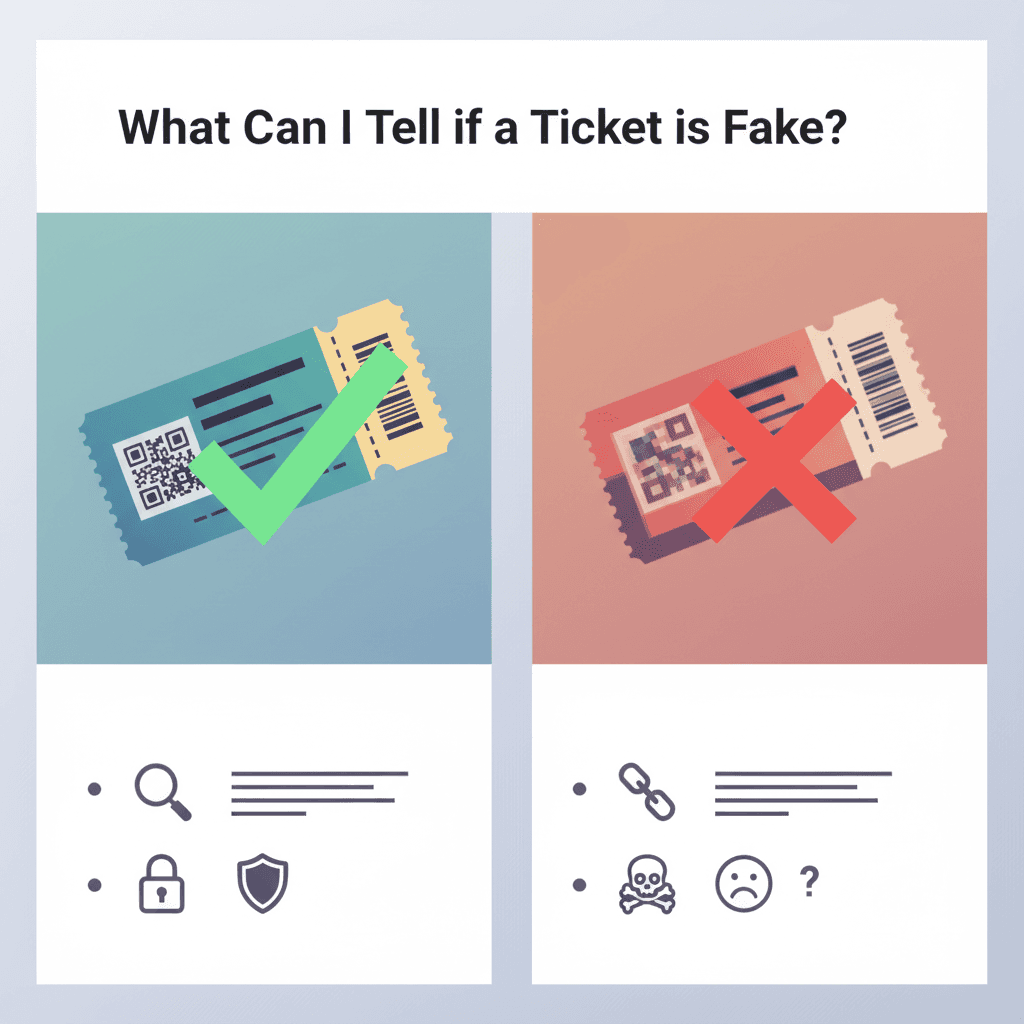
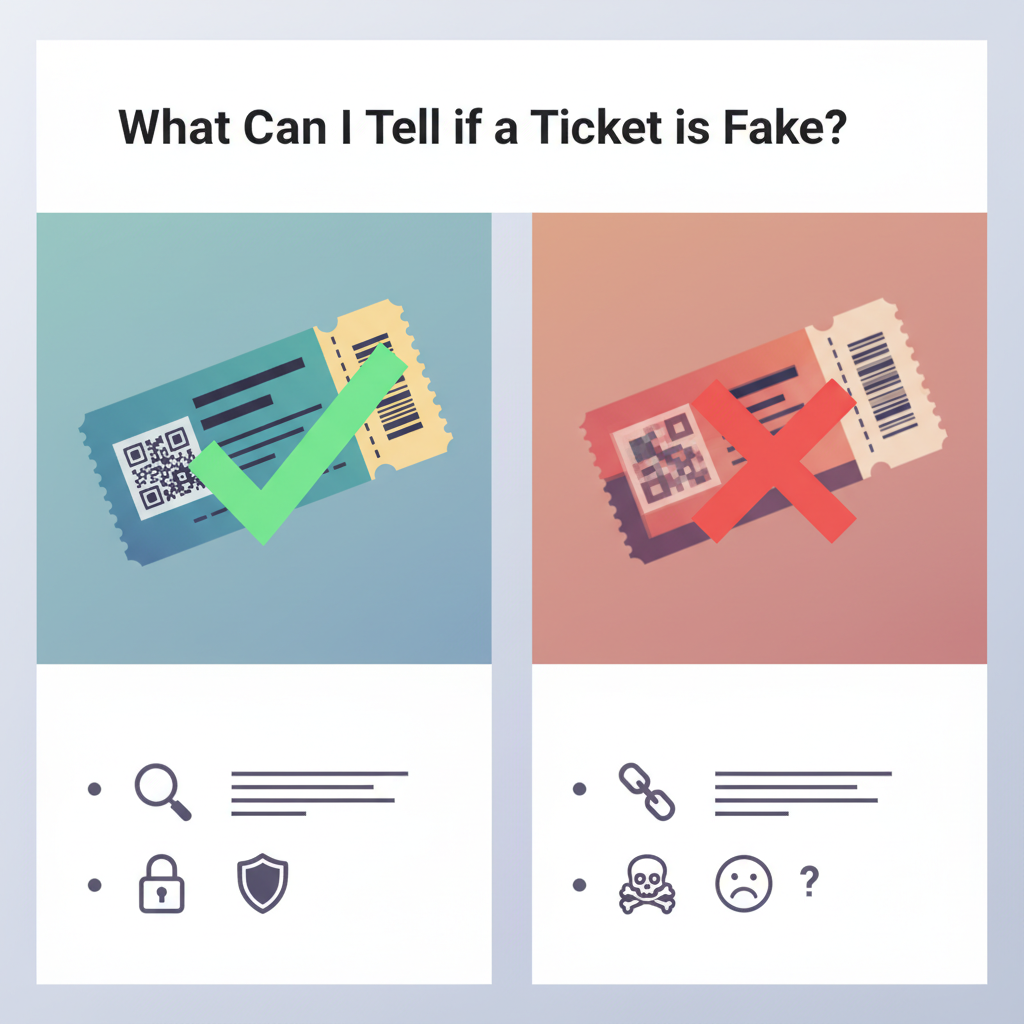
Alt text: Ticket close-up showing microprint, barcode checksum, and hologram for technical validation purposes. For more on this, see Last-minute ticket buying tips.
How it works
This section explains the process you should follow when evaluating a ticket. Think of it as a simple decision flow: can you validate the origin? If yes, proceed; if not, treat the ticket as suspect.
Step-by-step, the process looks like this:
- Identify the source. Tickets sold through an official box office, a venue partner, or a verified resale platform are safer. If the seller is an individual, check their profile history and reviews.
- Compare listing details. Look at section, row, seat (if applicable), date and time. A mismatch between the printed ticket and the venue’s official listing is a red flag.
- Validate the barcode or QR. Most venues scan codes with validation systems that use unique identifiers and checksums. If you can, scan the code with a legitimate scanning app or ask the venue to check the ticket number against their system.
- Check for duplication. A common scam is reuse—scammers sell the same digital ticket multiple times. If the barcode/QR has been activated already, the second buyer may be refused entry.
- Inspect physical security features. Look for holograms, embossed stamps, microprint text, perforation patterns, and consistent fonts. Low-resolution printing, blurry logos, or mismatched fonts often indicate forgery.
Concrete decision rule: if two or more of these checks fail, don’t attend based on that ticket. Instead, contact the venue or the official ticketing provider with the order number for confirmation.
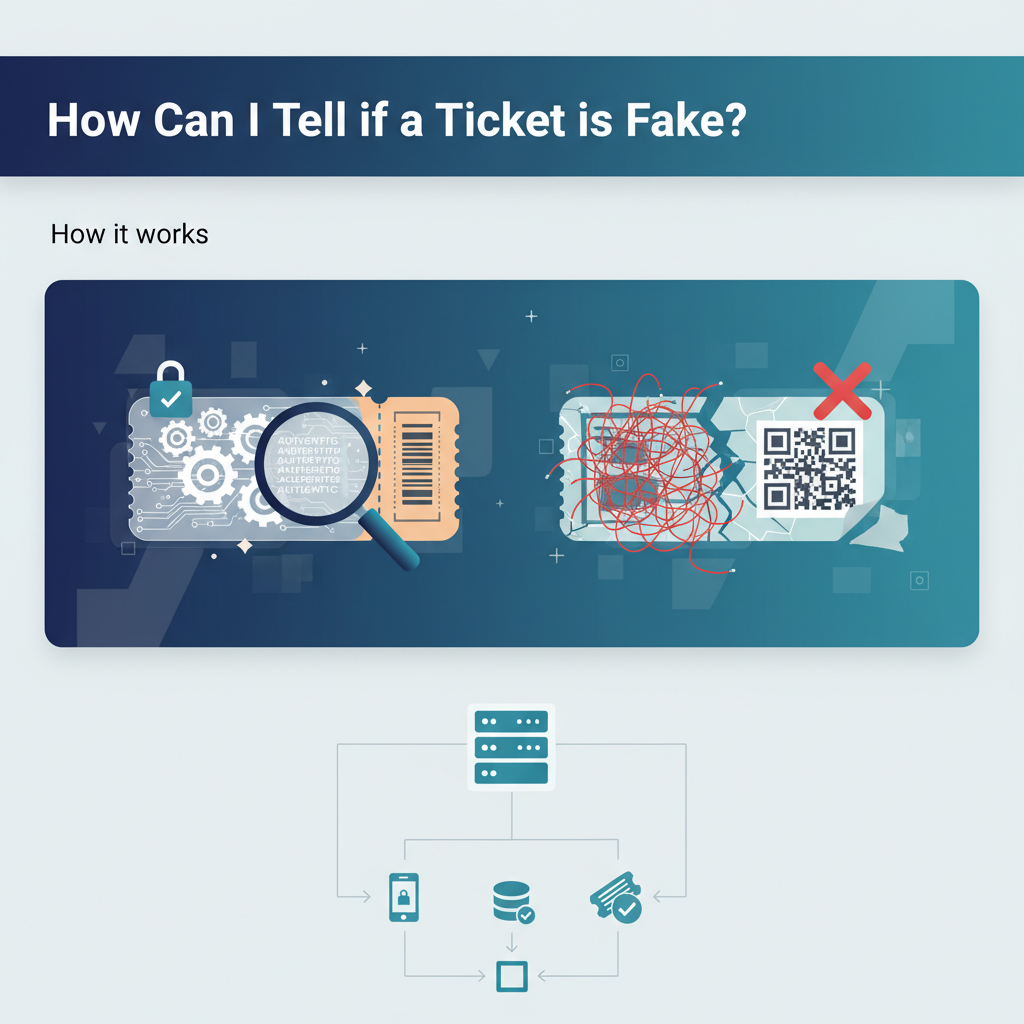
Alt text: Diagram of barcode validation flow showing checksum verification reducing false positives during ticket scans.
Best practices
Use these practical tips to reduce risk when buying or selling tickets. For more on this, see Ticket buying guide.
- Buy from official sources first. The safest route is the venue box office, the event promoter, or verified resale marketplaces that offer buyer protection.
- Prefer traceable payment. Use credit cards or payment services with dispute resolution—not wire transfers, gift cards, or cash—so you have recourse if something goes wrong.
- Ask for original order information. Request the confirmation email, order number, and the name on the order. Venues can often match that information to confirm the ticket.
- Scan before you buy. If the seller provides a barcode or QR, use your phone to scan it. If a simple scan app shows an error or random link, treat it as suspicious. For digital-only tickets, ask the seller to transfer via the platform (Eventbrite, Ticketmaster Transfer, etc.) so ownership is recorded.
- Watch price signals. A ticket listed at an unusually low price or paired with pressured selling language ("buy now, cash only") is often a scam.
Common mistakes to avoid: accepting screenshots without transfer, giving cash without verifying identity, and assuming a glossy print equals authenticity. Even high-quality fakes can look convincing, so rely on verification steps rather than appearance alone.
FAQ
What is how can i tell if a ticket is fake??
Detecting fake tickets is the practice of using visual checks, barcode/QR validation, seller and order confirmation, and venue verification to confirm a ticket’s authenticity.
How does how can i tell if a ticket is fake? work?
The process works by combining physical inspection (holograms, microprint, perforations) with digital validation (unique barcode/QR checksums and official order records) and seller verification to rule out duplication or forgery.
Use the 6-step checklist in the first section before you commit to a purchase, and when in doubt, contact the venue box office for definitive confirmation.