TL;DR
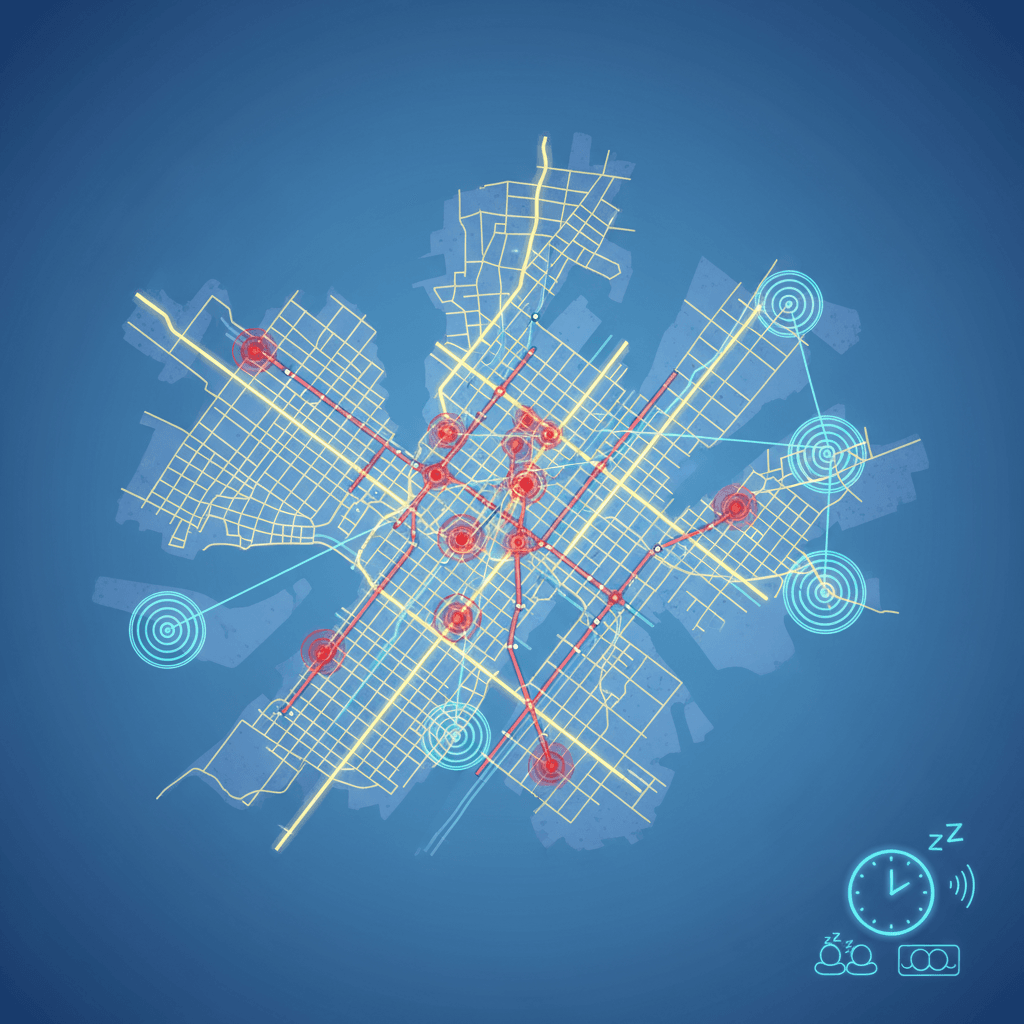
- Plan by neighborhood first: venue exits, subway chokepoints, and local late-night rules shape timing and routes.
- Allow a 30–90 minute urban commute window; MSG exits spike 20–40 minutes after show-end — stagger your exit.
- If you're going to Barclays from Midtown, take the 2/3 to Atlantic Ave — allow 25–40 minutes including exits.
- Use OMNY tap for quick single rides; buy a short unlimited pass when you have multiple venue legs in 24–72 hours.
Intro — why NYC needs a neighborhood-first plan for concerts (grid, transit chokepoints, late-night rules)
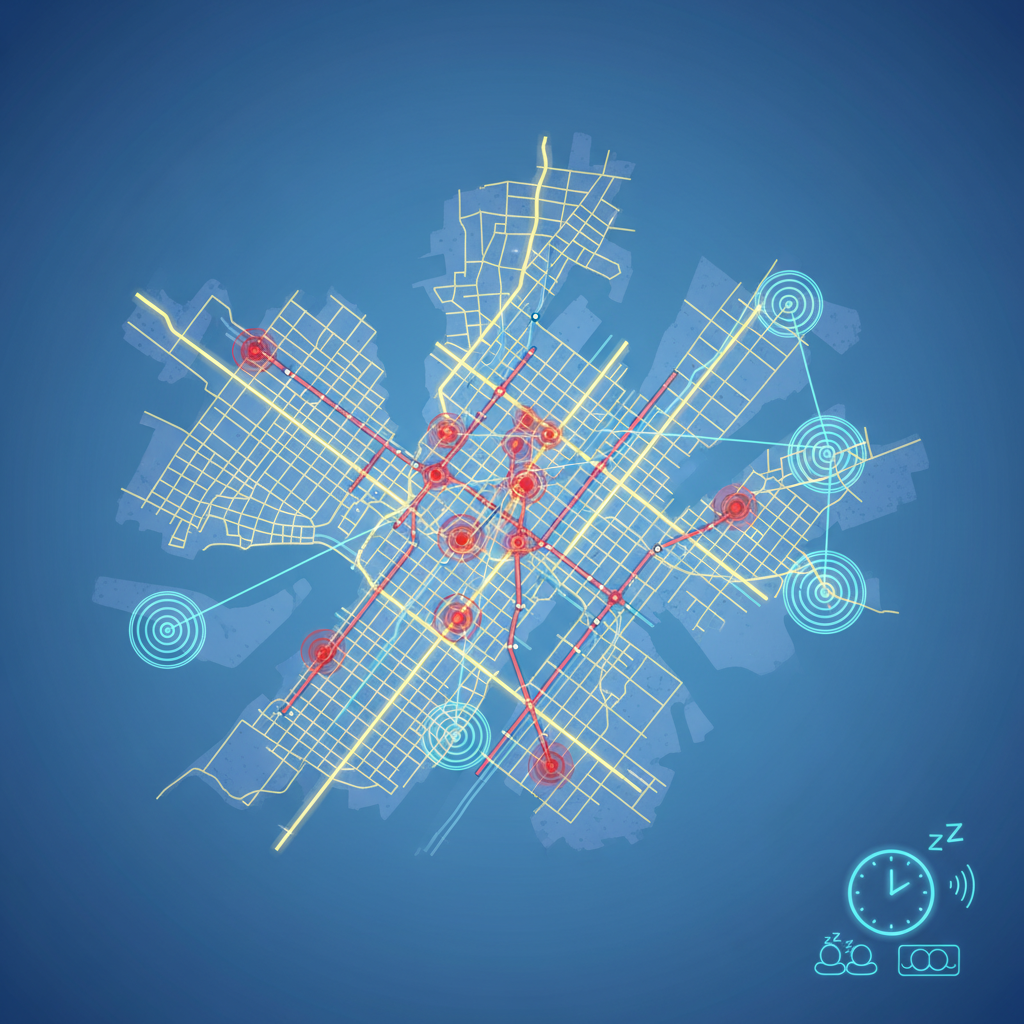
The nyc concert neighborhood guide summer 2026 starts with one simple rule: pick the neighborhood before you pick the backup plan. New York's street grid, layered subway map, and borough-specific late-night rules change how a 7pm show turns into a 1am trip home. The average U.S. urban concert commute window is 30–90 minutes; in NYC you should plan for the higher end when a venue shares a busy transit hub.
"Specific examples: Madison Square Garden sits on Penn Station transit flows that spike both before and 20–40 minutes after a show ends; Barclays Center funnels outgoing crowds into Atlantic Avenue and Flatbush Avenue corners; Citi Field and Yankee Stadium are transit-first but require shuttle walks or short local subway hops. This guide maps those neighborhood realities into actionable steps you can use tonight, not next month, and offers insights from The Ultimate Guide to Concerts and Events."
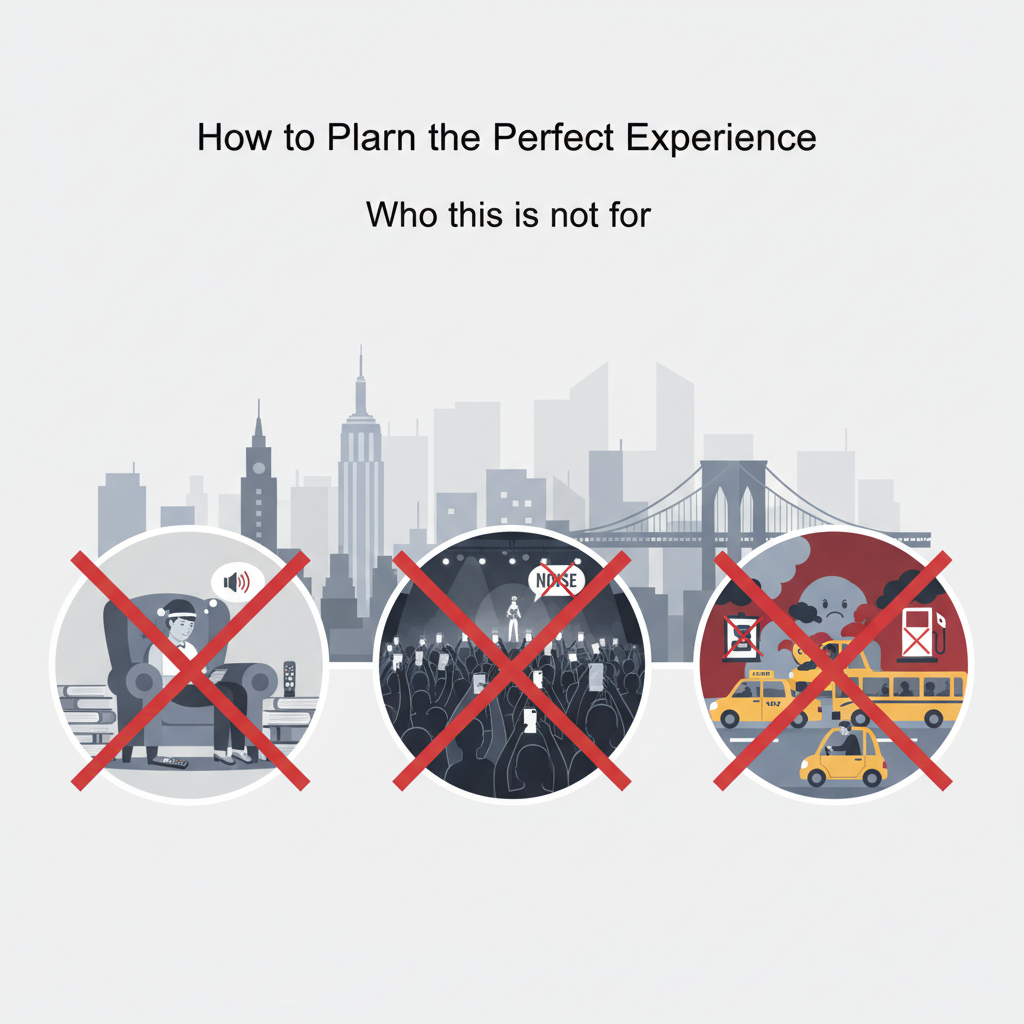
Who this is not for
This guide is not for people who already have private parking and a guaranteed exit route; it does not apply to fully accessible transit plans for people who need specialized mobility services without first consulting venue accessibility pages; and it’s not intended for event staff managing backstage logistics. If you need permits for large private vehicles, this planning checklist will not replace municipal parking permits.
Venue-by-venue neighborhood playbooks (Madison Square Garden, Barclays Center, Forest Hills Stadium, Yankee Stadium, Citi Field)
Each major NYC venue has a predictable neighborhood pattern. Treat each as a micro-city and plan around the nearest transit hub, common bottlenecks, and quick staging spots.
- Madison Square Garden (Penn Station): How to get to Madison Square Garden is usually via the 1/2/3, A/C/E, and NJ Transit/Amtrak at Penn. When you arrive, pick a specific exit (e.g., Seventh Avenue vs Eighth Avenue) and note that MSG exits spike 20–40 minutes after show-end. If you need to catch a Midtown cab, wait at the northern Penn Station exits rather than squeezed sidewalks.
- Barclays Center: Best accessed via the 2/3/4/5/N/R/B/Q trains at Atlantic–Barclays. For Brooklyn concert transit tips: avoid the Flatbush Ave entrance right at exit; instead exit toward Atlantic Terminal (mall side) to spread out crowds.
- Forest Hills Stadium: Use the LIRR to Forest Hills or the E/F/M/R lines; neighborhood streets narrow and local bars fill fast. Plan to arrive 45–60 minutes early when big-name acts play.
- Yankee Stadium: 4 train to 161st/Yankee Stadium is the main flow. After the game-style egress, follow the river-side walking routes to avoid the tight River Ave exits.
- Citi Field: Use the 7 train to Mets–Willets Point. Expect shuttle-like pedestrian flows to the Flushing Meadows complex and allocate 15–25 minutes to clear the plaza.
Plan exits as carefully as entry: exit choice determines whether you wait 10 minutes or 40 minutes in a crowd.
Best places to meet and stage before the show (bars, plazas, low‑crowd subway stops)
Pre-show staging beats last-minute scrambles. Choose meetup spots 5–12 minutes walking from the venue that minimize subway crowd exposure. For example, near Madison Square Garden pick a bar on Ninth Avenue or the Pennsy food hall instead of the immediate Penn Station concourse. Near Barclays, meet in the Atlantic Terminal food court or on the northern corner of Atlantic & Fort Greene rather than inside the arena plaza.
Low-crowd subway stops are often one stop away from the venue; arriving one stop early and walking in spreads the load and shortens post-show wait times. Use staging plazas like Manhattan’s Madison Square Park for Chelsea-area shows or small sidewalks south of Citi Field to keep groups together without blocking main exits.
Transit options and timing — subway lines, recommended trains, and overnight rideshares
Transit timing is the difference between a smooth night and a three-hour exit. Concert arrival times nyc usually require you to leave home early enough to absorb 10–20 minutes of station navigation, plus 5–15 minutes walking. Use these quick mapping tips: if you're coming from Midtown Manhattan to Barclays Center, take the 2/3 to Atlantic Ave — allow 25–40 min including exits. Coming to MSG from Queens often means transferring to the 7 or Long Island Rail Road into Penn — add 15 minutes for transfers.
Recommended trains vary by venue: 1/2/3/A/C/E for MSG, 2/3/4/5/N/R/B/Q for Barclays, 7 for Citi Field, 4 for Yankee Stadium. Overnight rideshares are a reliable fallback when MTA late-night service notes apply: weekend changes are common and some lines run altered routes or fewer trains. If you're using rideshare after midnight, stage your pickup at a large cross-street or transit hub — drivers avoid narrow residential lanes.
When trains run slow, move to a named cross-street pickup point rather than waiting in front of the venue entrance.
Detailed arrival windows per venue (when to leave from Midtown, Brooklyn, Queens, and Bronx)
Plan arrival windows by combining travel time and entry queues. Use these working windows as decision rules: leave so you arrive with 30–45 minutes to spare for general-admission entry and merch lines; arrive 15–25 minutes before doors for reserved seats.
- From Midtown to MSG: leave 20–35 minutes before show; add 10 minutes if using Amtrak/LIRR transfers.
- From Manhattan to Barclays (Brooklyn): leave 25–40 minutes before show when using 2/3 direct service; leave 40–60 minutes if arriving via R/N with a long walking approach.
- From Queens to Citi Field: leave 25–45 minutes before show (7 train can crowd; allow extra 10–15 minutes to clear the platform).
- From Bronx to Yankee Stadium: leave 20–30 minutes before show on the 4 train; for group travel leave 40 minutes to bunch up at the platform.
These concert arrival times nyc windows are practical thresholds: P95 cases (worst 5%) require adding 20 minutes for lines, service changes, or heavy merch traffic.
Neighborhood safety & parking — tips for different boroughs and permitted parking rules
Safety and permitted parking rules vary. Neighborhood safety best practices: travel in groups after late shows, use well-lit main avenues for pickups, and keep valuables out of sight while walking. For parking, most Manhattan venues discourage long-term street parking; use designated garages and confirm their event policies. In Brooklyn and Queens, residential streets may have alternate-side rules or event-day restrictions — check local signs on arrival.
If you plan to drive, treat parking as a booking item: reserve a garage when possible and budget a 10–20 minute buffer to walk from the lot to the venue. When parking on-street in outer boroughs, follow permit signs; ticketing and towing are enforced during event days in many neighborhoods.
Where to eat before/after — venue-adjacent eateries by budget and cuisine (names, neighborhoods, walking times)
Choosing the right pre-show meal keeps lines short and moods high. Near MSG (Penn Station/Chelsea) look for food-hall style options and quick grab-and-go pizza within a 5–12 minute walk. Around Barclays, Atlantic Terminal and nearby Flatbush have casual dining and quick bites a 5–10 minute walk away. In Flushing near Citi Field, noodle shops and dumpling counters often sit 8–15 minutes from the station; Xi’an-style sandwiches and noodle counters are common options.
Budget strategy: for groups, pick a food hall or market that accepts large tabs. For solo fans, a counter-service spot within a 10-minute walk minimizes queue anxiety. After late shows, favor 24-hour or late-close diners near transit hubs rather than small neighborhood spots that close early.
Local tricks — pocket routes, pedestrian shortcuts, and when to buy a MetroCard vs OMNY
Pocket routes and shortcuts save time: exit one stop early and walk a block if the station egress is jammed; use parallel avenues (e.g., Seventh vs Eighth Ave near Penn) to spread out. For short hops and one-off trips, use OMNY tap-on via contactless card or phone. If you plan multiple venue legs in a short window, a short unlimited pass (7-day) can be cheaper; check fare tools at the station.
| Feature | OMNY (tap) | MetroCard |
|---|---|---|
| Best for | Single rides, quick tap | When you need a physical pass or older fare media |
| Speed | Fast tap; no vending machine line | Requires machine purchase/reload |
| When to pick | Short trips or mixed transit days | Only if you already hold value on a card |
Event checklist (copyable):
- Tickets and phone battery pack
- Transit plan with two options (train + rideshare fallback)
- Pre-show meetup point 5–12 minutes away
- Designated pickup cross-street for post-show rideshare
Sample 4-hour itineraries (early dinner, arrival, warm-up acts, exit) for families, groups, and solo fans
These itineraries are practical scripts you can copy. Times are relative to a 7:30pm show.
- Families (MSG): 5:00pm dinner at a family-friendly food hall; 6:30pm arrive at Penn Station concourse; 7:00pm queue for doors; 7:30pm show; 10:15pm staggered exit via Seventh Ave to avoid central concourse.
- Groups (Barclays): 5:30pm group meetup at Atlantic Terminal; 6:40pm walk to arena; 7:30pm doors; 8:00pm show start; 11:00pm post-show regroup at the Atlantic Terminal food court before splitting to subway lines or rideshares.
- Solo fans (Citi Field): 6:00pm quick noodle spot in Flushing; 7:00pm line up near the 7 train exit; 7:30pm show; 10:30pm use staged rideshare pickup on Roosevelt Ave if trains are slow.
Last-minute changes — how to reroute if trains are suspended or event runs late
When trains are suspended, switch to a rideshare or hop to the nearest hub with more route options. Decision rule: if delay >20 minutes and no clear restart time, arrange a rideshare from a major cross-street rather than waiting on the platform. If the event runs late, expect post-show exit spikes (MSG exits spike 20–40 minutes after show-end); wait 10–20 minutes to let the first surge clear or move to an alternate station one or two blocks away.
Always set a named pickup point and communicate ETA to your group. Use transit apps to check real-time service alerts and pick the route with the fewest transfers when trains are rerouted.
CTA — link to NYC listings and ticket comparisons on TourInfo
TourInfo lists daily NYC shows and compares ticket offers so you can pick seats and plan neighborhood logistics in one place. Use the site to check multiple dates, compare prices, and find venue-specific advice before you commit to a show or a meetup plan. This new york concert planning guide on TourInfo helps you match tickets to transit-friendly seats and neighborhood staging options.
FAQ
What does it mean to plan the perfect concert experience?
Planning the perfect concert experience means choosing the right neighborhood, coordinating transit and arrival windows, and selecting staging and exit points that reduce wait time and crowd exposure.
How do you plan the perfect concert experience?
Plan the perfect concert experience by picking a venue-neighborhood combo first, scheduling arrival 30–45 minutes before show for GA or 15–25 minutes for reserved seats, choosing a clear meetup spot, and preparing a rideshare fallback for late-night service changes.